 CA Sansaar


RBI May Retain Repo Rate and Neutral Policy Stance
 Print
Print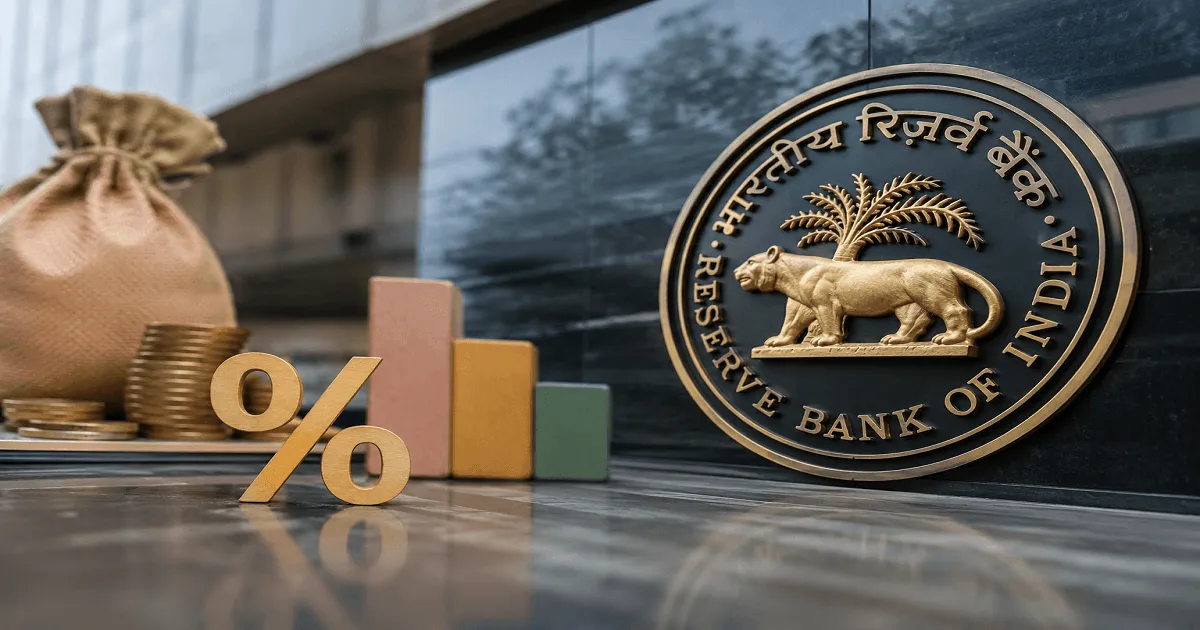
Recent assessments based on the June Monetary Policy Committee (MPC) meeting minutes indicate that the Reserve Bank of India (RBI) is likely to maintain the policy repo rate at 5.25% in the near term while continuing its neutral monetary policy stance. Market analysts expect the central bank to remain cautious and data-dependent as it evaluates inflation developments and broader macroeconomic conditions.
Easing Geopolitical Concerns Support Status Quo
The reduction in geopolitical uncertainty following developments in West Asia has improved the external environment compared to conditions prevailing during the June policy review. With immediate global risks appearing relatively moderated, policymakers may have greater flexibility to focus on domestic economic indicators rather than reacting to short-term volatility in international energy markets.
The RBI is expected to closely monitor the extent to which increases in food and fuel prices are transmitted into broader inflation before considering any policy adjustments.
Inflation Risks Remain Elevated
According to the June policy assessment, inflation concerns continue to be influenced by food price fluctuations, fuel costs, and weather-related uncertainties. Despite these risks, underlying inflationary pressures remain relatively contained, reducing the urgency for immediate monetary tightening.
The central bank revised its FY 2026-27 economic projections by:
- Lowering the GDP growth forecast by 30 basis points to 6.6%
- Raising the inflation projection by 50 basis points to 5.1%
The revisions primarily reflect weather-related risks and evolving global economic conditions.
MPC Members Favor a Cautious and Data-Dependent Approach
Discussions reflected in the MPC minutes indicate broad agreement that the current economic environment requires caution. Members acknowledged elevated inflation risks but also noted the absence of significant second-round inflation effects at present.
Several policymakers highlighted that recent inflation pressures are largely linked to supply-side factors, including higher energy costs and imported inflation. At the same time, the transmission of wholesale price increases to consumer inflation remains incomplete, supporting a measured policy response.
Growth Considerations Remain Important
The policy discussion also reflected concerns regarding the balance between inflation control and economic growth. While external shocks and higher crude oil prices could exert pressure on inflation, members emphasized the need to support growth amid relatively stable core inflation conditions.
India's macroeconomic fundamentals, policy buffers, and resilience to external shocks were viewed as important factors supporting the continuation of the current policy stance.
Category : RBI | Comments : 0 | Hits : 252








Comments