 CA Sansaar


Cyber Security Challenges in Cooperative Banks
 Print
Print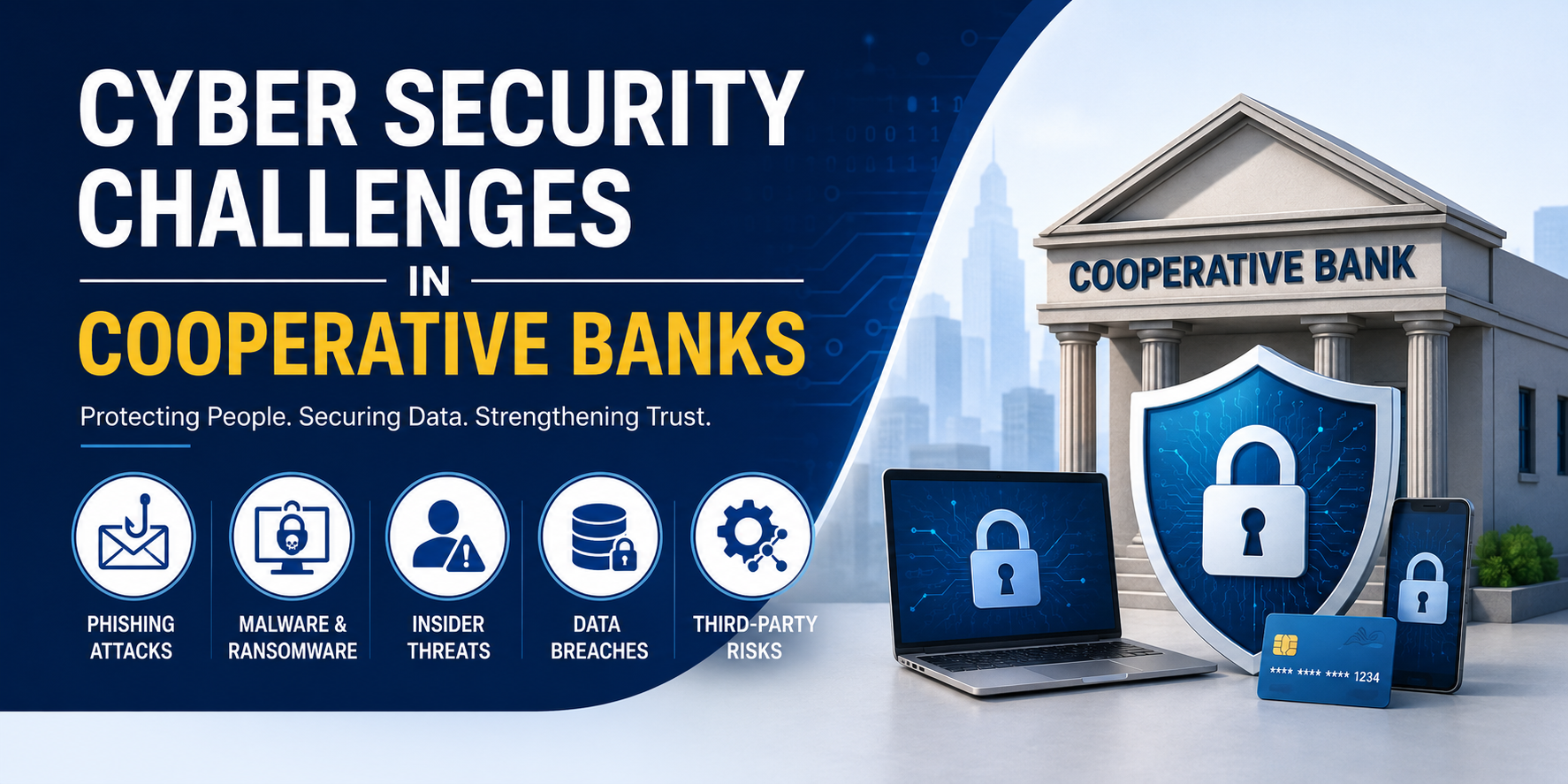
As cooperative banks continue to embrace digital banking services, they face a growing number of cybersecurity challenges that can threaten their operations, customer data, and financial stability. The increasing use of internet banking, mobile applications, digital payment systems, and cloud-based technologies has expanded the attack surface for cybercriminals. Unlike larger commercial banks, many cooperative banks operate with limited technological resources and cybersecurity expertise, making them more vulnerable to cyber threats such as phishing attacks, ransomware, malware infections, data breaches, and unauthorized access to sensitive information.
One of the most significant cybersecurity challenges faced by cooperative banks is phishing and social engineering attacks, where fraudsters manipulate employees or customers into disclosing confidential information such as passwords, account details, or one-time passwords (OTPs). Additionally, ransomware attacks can disrupt banking operations by encrypting critical systems and demanding payment for data recovery. Cooperative banks also face risks from insider threats, whether intentional or accidental, which can lead to data leakage or system compromise. The use of outdated software and legacy systems further increases vulnerabilities, as such systems may lack the latest security updates and protections against emerging threats.
Data protection remains another major concern for cooperative banks. These institutions store vast amounts of customer information, financial records, and transaction data that are attractive targets for cybercriminals. A successful cyberattack can result in financial losses, reputational damage, regulatory penalties, and loss of customer confidence. Moreover, dependence on third-party service providers for software solutions, payment processing, and IT support introduces additional security risks if vendors fail to maintain adequate cybersecurity standards.
To address these challenges, cooperative banks must adopt a proactive cybersecurity approach. Regular employee training and awareness programs can help reduce the risk of phishing and social engineering attacks. Implementing multi-factor authentication, strong access controls, data encryption, and continuous network monitoring can significantly enhance security. Periodic security audits, vulnerability assessments, and incident response planning are also essential to identify weaknesses and respond effectively to cyber incidents. As cyber threats continue to evolve, cooperative banks must invest in modern security infrastructure and robust risk management practices to safeguard customer data, maintain regulatory compliance, and ensure the long-term stability and trustworthiness of their banking services.
Category : Bank | Comments : 0 | Hits : 220









Comments