 CA Sansaar


ITR-6 Filing: Essential Information Every Company Must Know
 Print
Print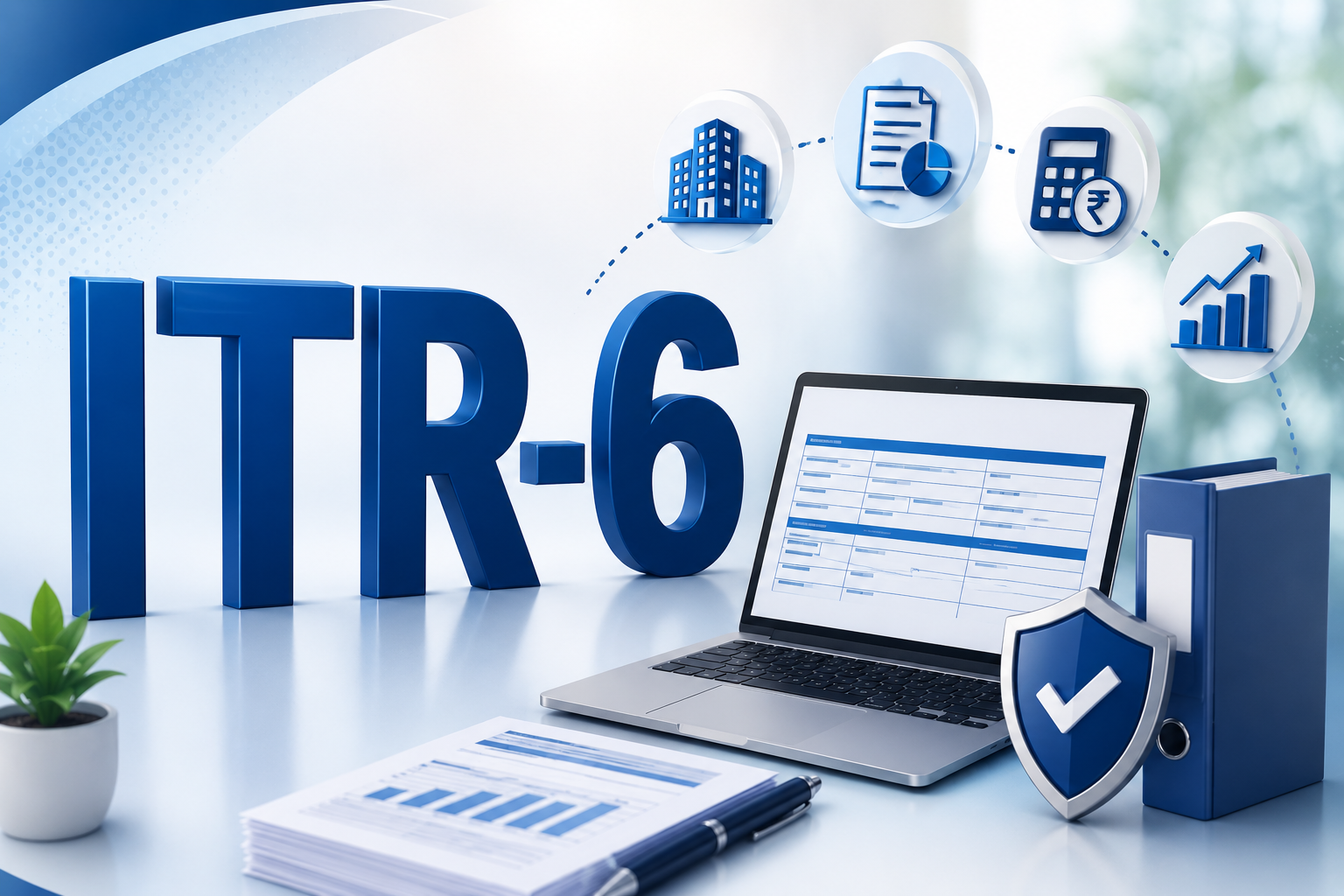
ITR-6 Filing: Essential Information Every Company Must Know
As businesses continue to navigate an evolving regulatory and tax landscape, timely and accurate tax compliance remains one of the most critical responsibilities for every company. Among the various compliance requirements under the Income Tax Act, filing the correct Income Tax Return (ITR) is essential for maintaining transparency, avoiding penalties, and ensuring smooth business operations.
For companies operating in India, ITR-6 is the prescribed return form for reporting income, tax liability, and financial information. Understanding the applicability, documentation requirements, and filing process can help companies remain compliant while minimizing the risk of notices and disputes.
What is ITR-6?
ITR-6 is the Income Tax Return form applicable to companies registered under the Companies Act that are not claiming exemption under Section 11 of the Income Tax Act. Section 11 generally applies to entities earning income from property held for charitable or religious purposes.
The form enables companies to report their income from various sources, claim deductions and tax credits, disclose financial information, and compute their final tax liability for the relevant assessment year.
Who is Required to File ITR-6?
The following entities are generally required to file ITR-6:
- Private Limited Companies
- Public Limited Companies
- One Person Companies (OPCs)
- Foreign Companies having taxable income in India
- Section 8 Companies not claiming exemption under Section 11
- Other companies registered under applicable corporate laws
Companies claiming exemption under Section 11 are required to file ITR-7 instead of ITR-6.
Why is ITR-6 Filing Important?
Many businesses view tax return filing as a routine annual compliance activity. However, the significance of ITR-6 extends far beyond meeting a statutory obligation.
Timely and accurate filing helps companies:
- Demonstrate financial transparency
- Maintain a clean compliance record
- Facilitate tax assessments and audits
- Claim eligible refunds without delays
- Improve credibility with banks and financial institutions
- Support applications for loans, tenders, and government contracts
- Avoid penalties, interest, and litigation
In today's compliance-driven environment, an accurately filed return strengthens a company's reputation and financial standing.
Key Information Required for ITR-6 Filing
1. Basic Company Details
Companies must provide essential information including:
- Company Name
- PAN
- Corporate Identification Number (CIN)
- Registered Office Address
- Nature of Business Activities
- Contact Details
- Date of Incorporation
Accurate disclosure of these details is crucial to ensure proper identification and processing of the return.
2. Financial Statements
Financial information forms the foundation of ITR-6 filing. Companies are generally required to report:
- Balance Sheet
- Profit and Loss Account
- Revenue from Operations
- Other Income
- Fixed Assets
- Investments
- Loans and Advances
- Current Assets and Liabilities
The figures reported in the return should reconcile with audited financial statements wherever applicable.
3. Tax Computation Details
The company must calculate and disclose:
- Gross Total Income
- Taxable Income
- Deductions claimed under applicable provisions
- Tax liability
- Surcharge and Health & Education Cess
- Interest payable under relevant sections
Accurate computation helps avoid future tax disputes and reassessments.
4. TDS and TCS Details
Companies should verify all Tax Deducted at Source (TDS) and Tax Collected at Source (TCS) credits appearing in Form 26AS and the Annual Information Statement (AIS).
Any mismatch may lead to reduced tax credit or notices from the Income Tax Department.
5. Advance Tax and Self-Assessment Tax
Details of taxes already paid during the financial year must be reported, including:
- Advance Tax
- Self-Assessment Tax
- Tax paid on regular assessment
Proper reporting ensures correct computation of the final tax payable or refund receivable.
6. Bank Account Information
All active bank accounts held by the company during the financial year should be disclosed. This information becomes particularly important in cases where refunds are due.
7. Director and Shareholding Information
ITR-6 requires disclosure of details relating to directors and certain ownership information, helping improve corporate transparency and regulatory monitoring.
Common Challenges Faced During ITR-6 Filing
Many companies encounter difficulties while preparing and filing ITR-6 due to:
- Incomplete accounting records
- Mismatch between GST and income tax data
- Errors in TDS reconciliation
- Incorrect carry-forward of losses
- Failure to disclose specified transactions
- Delayed finalization of accounts
Addressing these issues proactively can significantly reduce compliance risks.
Common Mistakes to Avoid
To ensure smooth processing of the return, companies should avoid:
Incorrect Financial Reporting
Any inconsistency between audited financial statements and reported figures may trigger scrutiny.
Failure to Reconcile TDS Credits
Unmatched TDS claims often result in reduced credit and refund delays.
Ignoring GST Reconciliation
Differences between GST turnover and income tax disclosures can attract departmental attention.
Missing Due Dates
Late filing may result in penalties, interest liabilities, and restrictions on carrying forward certain losses.
Inadequate Disclosure
Failure to report required information can lead to notices and additional compliance requirements.
Benefits of Timely ITR-6 Filing
Filing ITR-6 within the prescribed due date offers several advantages:
✔ Avoidance of late filing penalties
✔ Smooth processing of refunds
✔ Improved corporate governance
✔ Better credibility with stakeholders
✔ Easier access to financing and credit facilities
✔ Stronger compliance profile during assessments and audits
✔ Seamless participation in tenders and government projects
Best Practices for Companies
To ensure efficient ITR-6 compliance, companies should:
- Maintain updated books of accounts throughout the year
- Conduct periodic tax reconciliations
- Review Form 26AS and AIS before filing
- Reconcile GST returns with financial statements
- Verify all deductions and tax credits
- Ensure proper documentation of transactions
- Seek professional review wherever necessary
A proactive approach can save significant time, effort, and cost during the filing season.
Conclusion
ITR-6 filing is a vital component of corporate tax compliance in India. Beyond fulfilling a legal obligation, it reflects a company's commitment to financial transparency, accountability, and responsible governance.
By maintaining accurate records, reconciling tax data, and filing returns on time, companies can minimize compliance risks while strengthening their financial credibility. As regulatory scrutiny continues to increase, businesses that prioritize timely and accurate ITR-6 filing will be better positioned for sustainable growth and long-term success.
Tax compliance is not merely about avoiding penalties—it is about building trust, ensuring transparency, and creating a strong foundation for future business opportunities.
Category : ITR | Comments : 0 | Hits : 614







Comments