 CA Sansaar


ITR-7 Filing: Essential Information Every Eligible Entity Must Know
 Print
Print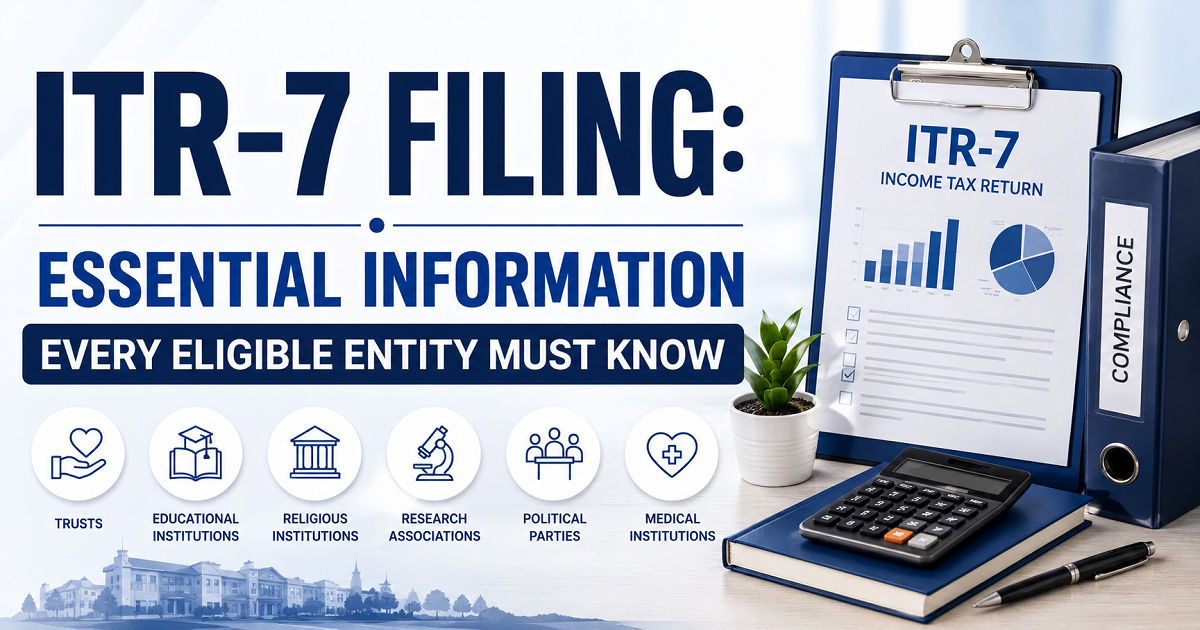
ITR-7 Filing: Essential Information Every Eligible Entity Must Know
In today's increasingly regulated environment, compliance is more than just a legal obligation—it is a reflection of an organization's transparency, accountability, and commitment to responsible governance. For charitable trusts, religious institutions, educational organizations, research associations, political parties, and other specified entities, filing the correct Income Tax Return is a critical aspect of maintaining compliance under the Income Tax Act.
Among the various return forms prescribed by the Income Tax Department, ITR-7 plays a significant role for entities claiming exemption under specific provisions of the Act. Accurate and timely filing not only helps preserve tax benefits but also strengthens stakeholder confidence and ensures smooth regulatory oversight.
This guide explores everything eligible entities need to know about ITR-7 filing, including applicability, documentation requirements, compliance considerations, and common mistakes to avoid.
What is ITR-7?
ITR-7 is the Income Tax Return form prescribed for persons and entities required to furnish returns under Sections 139(4A), 139(4B), 139(4C), and 139(4D) of the Income Tax Act, 1961.
The form is specifically designed for entities that enjoy tax exemptions or operate under special statutory provisions. These organizations are required to disclose details relating to their income, expenditure, assets, liabilities, exemptions claimed, and utilization of funds.
Unlike regular business entities, organizations filing ITR-7 are often subject to additional reporting requirements aimed at ensuring that their income and resources are utilized in accordance with their stated objectives.
Who is Required to File ITR-7?
ITR-7 is generally applicable to the following categories of entities:
Charitable Trusts
Organizations established for charitable purposes and claiming exemption under the Income Tax Act.
Religious Trusts
Trusts and institutions engaged in religious activities and eligible for exemption under applicable provisions.
Political Parties
Political organizations required to furnish returns under relevant sections of the Income Tax Act.
Educational Institutions
Universities, colleges, schools, and educational institutions claiming tax exemptions.
Medical Institutions
Hospitals and healthcare institutions operating under approved exemption provisions.
Scientific Research Associations
Organizations engaged in scientific research and approved under relevant sections.
News Agencies
Specified news agencies enjoying exemption under the Income Tax Act.
Other Eligible Institutions
Entities notified under various provisions and claiming tax-exempt status.
Why is ITR-7 Filing Important?
Many organizations assume that because they enjoy tax exemptions, return filing is merely a procedural requirement. However, ITR-7 filing serves several critical purposes.
Preserving Tax Exemption Benefits
One of the primary objectives of filing ITR-7 is to demonstrate compliance with the conditions required to retain tax-exempt status.
Failure to comply with filing requirements may impact an entity's eligibility for exemption benefits.
Enhancing Transparency
Stakeholders, donors, regulatory authorities, and governing bodies increasingly expect organizations to maintain high standards of financial transparency.
Accurate return filing helps establish trust and credibility.
Supporting Regulatory Compliance
The Income Tax Department uses information disclosed in ITR-7 to verify whether organizations are operating within the framework of applicable laws.
Facilitating Assessments and Audits
Well-maintained records and properly filed returns significantly reduce complications during assessments, audits, and regulatory reviews.
Strengthening Public Confidence
For charitable and non-profit organizations, public trust is often one of the most valuable assets. Transparent reporting reinforces confidence among donors, beneficiaries, and regulators.
Key Information Required for ITR-7 Filing
Preparing an accurate ITR-7 requires careful collection and verification of financial and organizational information.
1. Basic Organizational Details
The return requires disclosure of:
- Name of the Entity
- PAN
- Registered Address
- Contact Information
- Nature of Activities
- Date of Registration
Ensuring accuracy in these details helps avoid administrative delays and processing issues.
2. Registration and Approval Information
Organizations claiming exemptions must furnish details relating to:
- Registration Certificates
- Approval Numbers
- Relevant Exemption Registrations
- Applicable Sections under the Income Tax Act
Any discrepancies in registration details may lead to compliance concerns.
3. Financial Statements
Entities filing ITR-7 are generally required to report:
- Balance Sheet
- Income and Expenditure Account
- Receipts and Payments Account
- Details of Assets and Liabilities
- Investments and Deposits
The figures disclosed in the return should be consistent with the books of accounts and audited financial statements.
4. Income Details
Organizations must disclose all sources of income, including:
- Voluntary Contributions
- Corpus Donations
- Grants and Funding
- Interest Income
- Rental Income
- Other Receipts
Complete disclosure is essential to ensure compliance and avoid future disputes.
5. Application of Income
A critical component of ITR-7 filing involves reporting how income has been utilized during the financial year.
This includes:
- Expenditure on charitable activities
- Educational activities
- Medical services
- Religious purposes
- Administrative expenses
- Other approved objectives
Proper reporting helps demonstrate adherence to exemption conditions.
6. Accumulation of Income
Where applicable, entities must disclose details regarding the accumulation or setting aside of income for future utilization.
The Income Tax Department closely examines such disclosures to ensure compliance with prescribed rules.
7. Investment and Fund Utilization Details
Organizations are often required to report:
- Investment Patterns
- Utilization of Funds
- Deposits Held
- Capital Expenditure
- Specific Grants and Allocations
Accurate reporting strengthens transparency and accountability.
8. Audit Information
Entities subject to audit requirements must provide:
- Auditor Details
- Audit Report Information
- Audit Qualification Details (if any)
Timely completion of audit requirements is crucial for smooth return filing.
Common Challenges Faced During ITR-7 Filing
Many organizations encounter difficulties while preparing their returns.
Common challenges include:
- Incomplete accounting records
- Improper classification of donations
- Errors in reporting exempt income
- Failure to reconcile financial statements
- Delayed audit completion
- Incorrect disclosure of accumulated funds
- Missing registration details
Addressing these issues early can prevent compliance complications later.
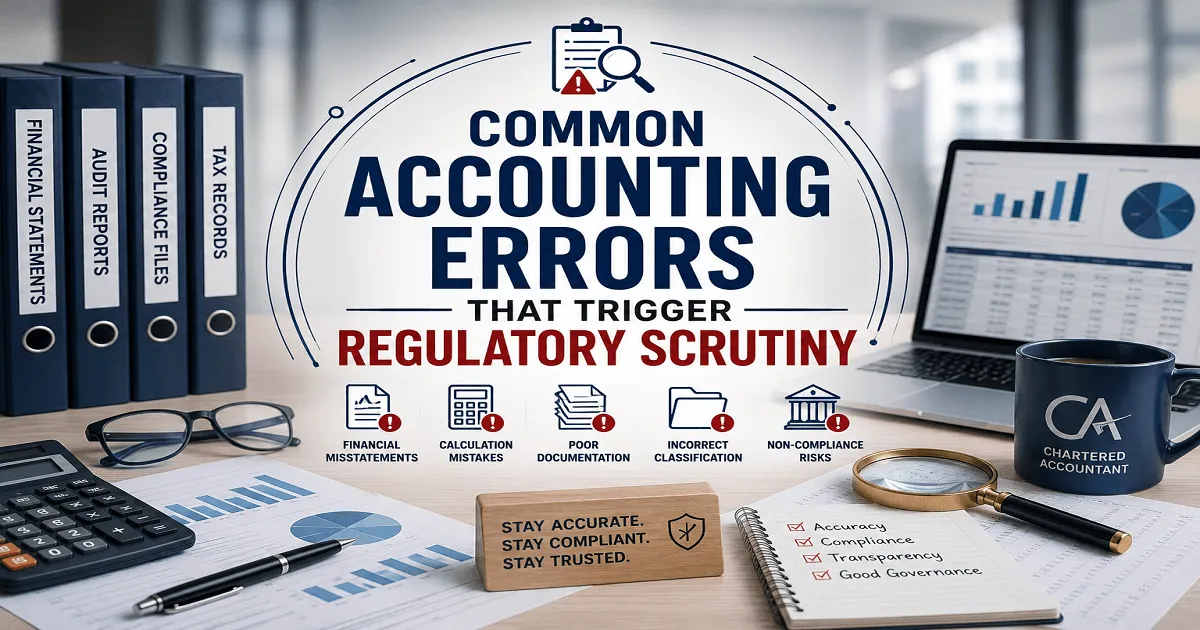
Common Mistakes to Avoid
To ensure smooth processing of ITR-7, organizations should avoid the following mistakes:
Incorrect Reporting of Donations
Improper classification of corpus donations and voluntary contributions can create compliance concerns.
Incomplete Disclosure of Income
All income sources should be reported accurately, even where exemptions apply.
Failure to Reconcile Accounts
Differences between audited financial statements and return figures may attract scrutiny.
Delayed Audit Compliance
Failure to obtain or report audit information on time can impact filing accuracy.
Incorrect Exemption Claims
Entities should carefully review eligibility conditions before claiming exemptions.
Missing Filing Deadlines
Delayed filing may result in penalties, compliance notices, and additional regulatory scrutiny.
Benefits of Timely ITR-7 Filing
Organizations that file ITR-7 accurately and on time enjoy several advantages:
- Preservation of exemption benefits
- Improved regulatory compliance
- Stronger donor confidence
- Enhanced credibility and transparency
- Reduced risk of notices and litigation
- Smoother assessments and audits
- Better governance standardsGreater financial accountability
Best Practices for ITR-7 Compliance
To maintain effective compliance, organizations should adopt the following practices:
Maintain Accurate Books of Accounts
Proper bookkeeping forms the foundation of successful tax compliance.
Conduct Regular Financial Reviews
Periodic reviews help identify discrepancies before the filing process begins.
Preserve Supporting Documentation
Organizations should retain invoices, donation records, grant agreements, and supporting documents.
Complete Audits Well in Advance
Early completion of audits reduces last-minute filing pressure.
Review Exemption Conditions Annually
Changes in regulations may affect exemption eligibility and reporting requirements.
Seek Professional Guidance
Complex compliance matters often require expert review to ensure accuracy and completeness.
Conclusion
ITR-7 filing is far more than a statutory formality. It serves as a critical compliance mechanism that demonstrates an organization's commitment to transparency, accountability, and responsible financial management.
Whether operating as a charitable trust, educational institution, medical organization, research association, or political entity, timely and accurate filing of ITR-7 is essential for preserving tax benefits and maintaining stakeholder trust.
Organizations that invest in strong financial controls, proper record-keeping, and proactive compliance practices will be better positioned to fulfill their objectives while meeting regulatory expectations. In an era where transparency and accountability are increasingly important, effective ITR-7 compliance remains a cornerstone of sound organizational governance.
Category : ITR | Comments : 0 | Hits : 590







Comments