 CA Sansaar


Types of GST Returns in India: A Complete Guide for Taxpayers
 Print
Print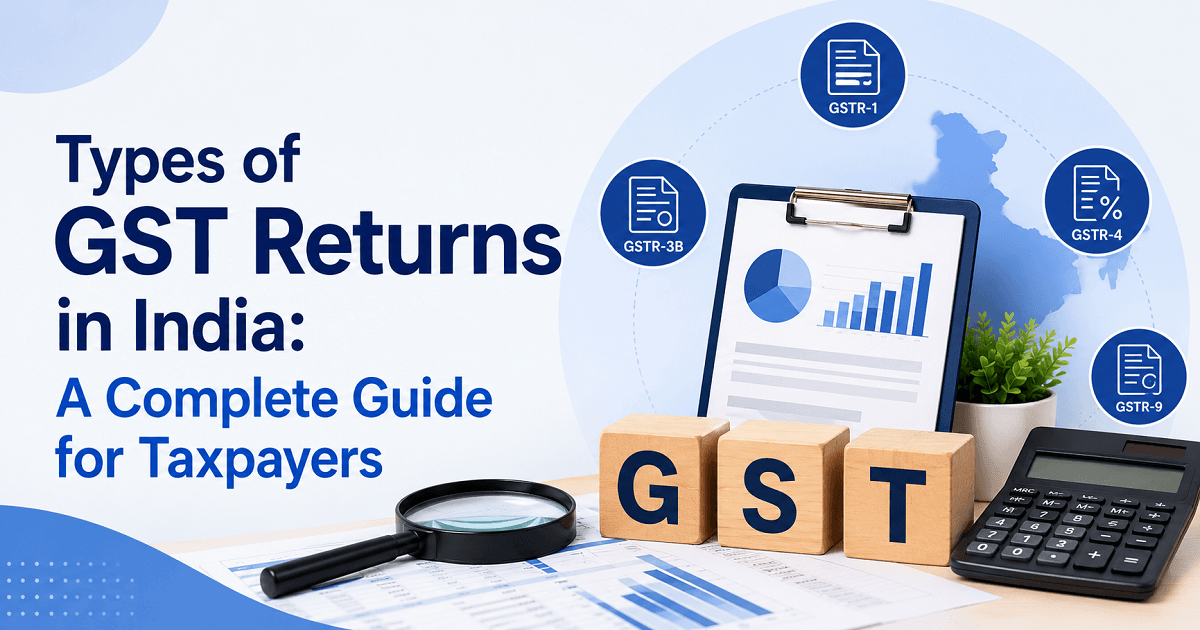
Introduction
Understanding GST returns is essential for every business registered under the Goods and Services Tax (GST) regime in India. Whether you are a business owner, accountant, tax consultant, or someone exploring GST jobs, having a clear understanding of different GST returns can help ensure timely compliance and avoid penalties.
GST returns are documents that taxpayers file with the government, providing details of sales, purchases, tax collected on sales, and tax paid on purchases. Depending on the nature and size of the business, different GST returns are required to be filed.
In this guide by CASANSAAR, we explain the major types of GST returns and their purposes in simple language.
What is a GST Return?
A GST return is a document containing details of a taxpayer's income, purchases, expenses, and tax liability. Registered taxpayers are required to file these returns periodically through the GST portal.
The information submitted through GST returns helps tax authorities verify transactions and ensure proper tax collection.
Major Types of GST Returns
1. GSTR-1
GSTR-1 is a return that contains details of outward supplies or sales made by a registered taxpayer during a specific period.
Who files it?
Regular taxpayers registered under GST.
Information included:
* B2B sales
* B2C sales
* Debit notes
* Credit notes
* Export transactions
This return helps buyers claim Input Tax Credit (ITC) based on the information uploaded by suppliers.
2. GSTR-3B
GSTR-3B is a summary return that provides details of outward supplies, inward supplies, and tax liabilities.
Who files it?
Regular GST-registered taxpayers.
Purpose:
* Payment of GST liability.
* Declaration of eligible Input Tax Credit.
It is one of the most important GST returns because tax payment is generally made through GSTR-3B.
3. GSTR-4
GSTR-4 is filed by taxpayers registered under the Composition Scheme.
Who files it?
* Small taxpayers who opt for the GST Composition Scheme.
Features:
* Filed annually.
* Simplified compliance requirements.
* Lower tax rates compared to regular taxpayers.
This return helps small businesses maintain compliance with minimal paperwork.
4. GSTR-5
GSTR-5 is applicable to non-resident taxable persons conducting business transactions in India.
Who files it?
* Foreign businesses or individuals temporarily carrying out taxable activities in India.
Information included:
* Sales details
* Purchases
* Tax liability
* Tax payments
5. GSTR-5A
GSTR-5A is specifically designed for providers of Online Information and Database Access or Retrieval (OIDAR) services.
Who files it?
* Foreign service providers offering digital services to customers in India.
Examples include online streaming, cloud services, and digital subscriptions.
6. GSTR-6
GSTR-6 is filed by Input Service Distributors (ISDs).
Who files it?
* Businesses distributing input tax credits among different branches or units.
Purpose:
* Distribution of eligible Input Tax Credit within an organization.
This return ensures proper allocation of GST credits across business locations.
7. GSTR-7
GSTR-7 is related to Tax Deducted at Source (TDS) under GST.
Who files it?
Government departments and certain notified entities required to deduct TDS.
Contents:
* TDS deducted
* TDS payable
* TDS paid
8. GSTR-8
GSTR-8 is filed by e-commerce operators who collect Tax Collected at Source (TCS).
Who files it?
* E-commerce platforms facilitating sales through their portals.
Examples include large online marketplaces that collect tax on behalf of sellers.
9. GSTR-9
GSTR-9 is the annual return under GST.
Who files it?
* Regular taxpayers registered under GST.
Purpose:
* Consolidated summary of all monthly or quarterly returns filed during the financial year.
* Reconciliation of turnover and tax payments.
This return provides a complete picture of the taxpayer's GST activities throughout the year.
10. GSTR-9C
GSTR-9C is a reconciliation statement between financial statements and GST returns.
Who files it?
* Applicable taxpayers as prescribed under GST provisions.
Purpose:
* Verification of reported turnover and tax liability.
* Ensuring consistency between books of accounts and GST filings.
Importance of Timely GST Return Filing
Filing GST returns on time offers several benefits:
* Avoidance of penalties and late fees.
* Smooth claim of Input Tax Credit.
* Better compliance rating.
* Reduced chances of notices from tax authorities.
* Improved business credibility.
Regular and accurate filing also helps businesses maintain transparent financial records.
Common Mistakes to Avoid
While filing GST returns, taxpayers should avoid:
* Incorrect GSTIN details.
* Mismatch between GSTR-1 and GSTR-3B.
* Missing invoices.
* Incorrect Input Tax Credit claims.
* Delayed return filing.
Reviewing records carefully before submission can prevent compliance issues and financial penalties.
Conclusion
GST compliance is a critical part of running a business in India. Understanding the various types of GST returns helps taxpayers meet their legal obligations efficiently and avoid unnecessary complications. From GSTR-1 and GSTR-3B to annual returns such as GSTR-9, each return serves a specific purpose within the GST framework.
For professionals seeking opportunities in taxation and **GST jobs**, knowledge of GST return filing is a valuable skill that can enhance career prospects. To stay updated with the latest GST, taxation, accounting, audit, and finance opportunities, visit CASANSAAR at https://www.casansaar.com/ and explore a wide range of resources and career options.
Category : GST | Comments : 0 | Hits : 685






Comments